How Misinformation and Neighboritis Ruin Hail Claims
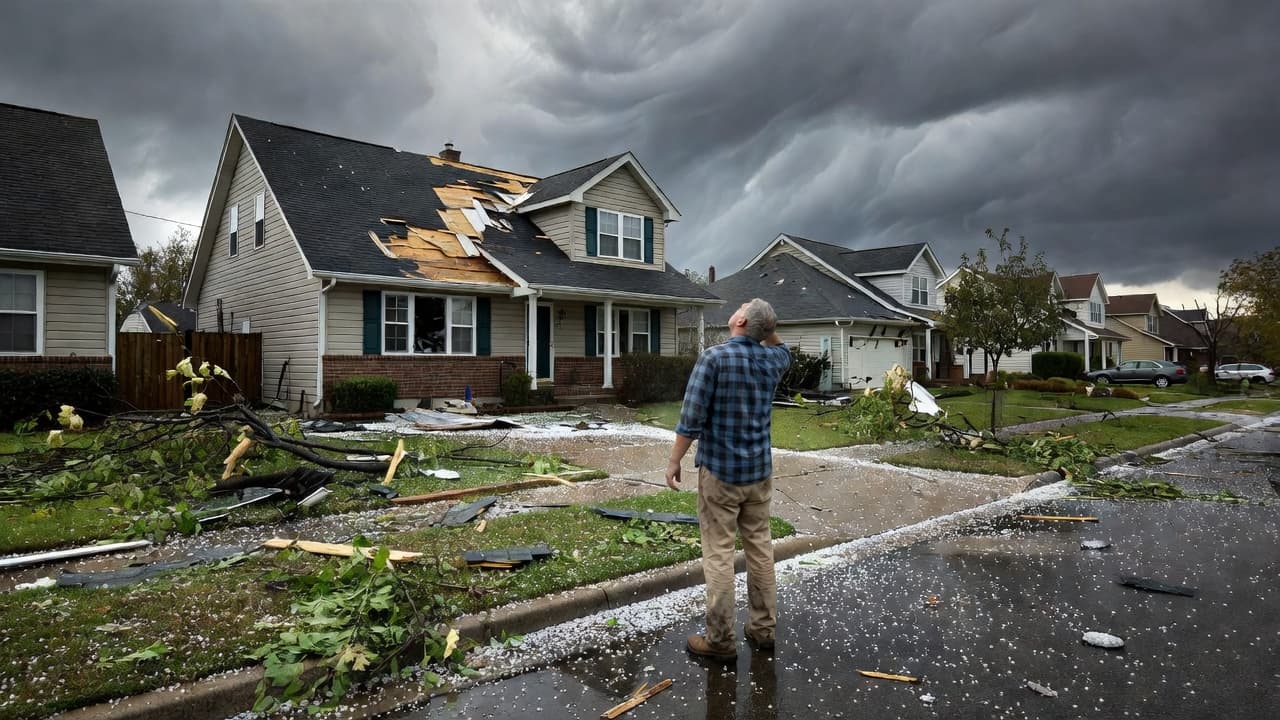
Cut through post-storm confusion with address-specific hail data. Check storm timing, hail size, and wind before you file or fight a denial.
A hailstorm can end in minutes, but the confusion after it can drag on for weeks. Once the noise outside stops, a different kind of noise starts, neighbors compare stories, contractors knock on doors, and social feeds fill with loud opinions.
That post-storm fog can cost real money. If you file a weak claim, miss hidden damage, or replace a roof that didn't need replacement, the mistake can follow your property for years. The first step is to understand why the aftermath feels so uncertain.
Why hail claims get so confusing after a storm
The information gap opens right away
Right after a storm, most owners don't know what actually happened on their roof. They can see dents on a downspout, branches in the yard, or granules in a gutter. That still doesn't answer the big question, was there claim-worthy roof damage?
Meanwhile, opinions spread before facts do. A neighbor says the hail was baseball-sized. A roofer says everyone on the block qualifies. An adjuster may not arrive for days. In that gap, people often make decisions based on urgency instead of evidence.
The storm itself is often the simple part. The hard part is sorting out damage, coverage, deadlines, repair choices, and next steps while everyone around you sounds certain.
Why hail damage is hard to judge from the ground
Hail is uneven. One slope can take a hard hit while the other slope shows little or no damage. A building at the corner of an open lot may get hit harder than one shielded by taller structures or trees.
Wind direction matters, too. So do roof age, material type, slope, and prior wear. Asphalt shingles, metal panels, tile, and commercial membranes don't respond the same way. Even two homes with the same floor plan can show different damage because the storm angle changed across a short distance.
That is why "my neighbor got a roof" is weak evidence. Storm paths are local, directional, and messy. A block is not a single data point.
Bigger deductibles make bad calls more expensive
Claim mistakes hurt more now because many policies no longer carry small flat deductibles. Instead, owners often face percentage-based deductibles or separate hail deductibles. On a high-value home or commercial building, that changes the math fast.
A poor claim decision can leave a homeowner paying thousands out of pocket. For commercial owners, the stakes are larger. A questionable claim can affect loss history and future underwriting. On the other side, missing a real roof breach can lead to interior leaks, tenant complaints, and repair bills that grow with every storm.
Because of that, guessing is expensive.
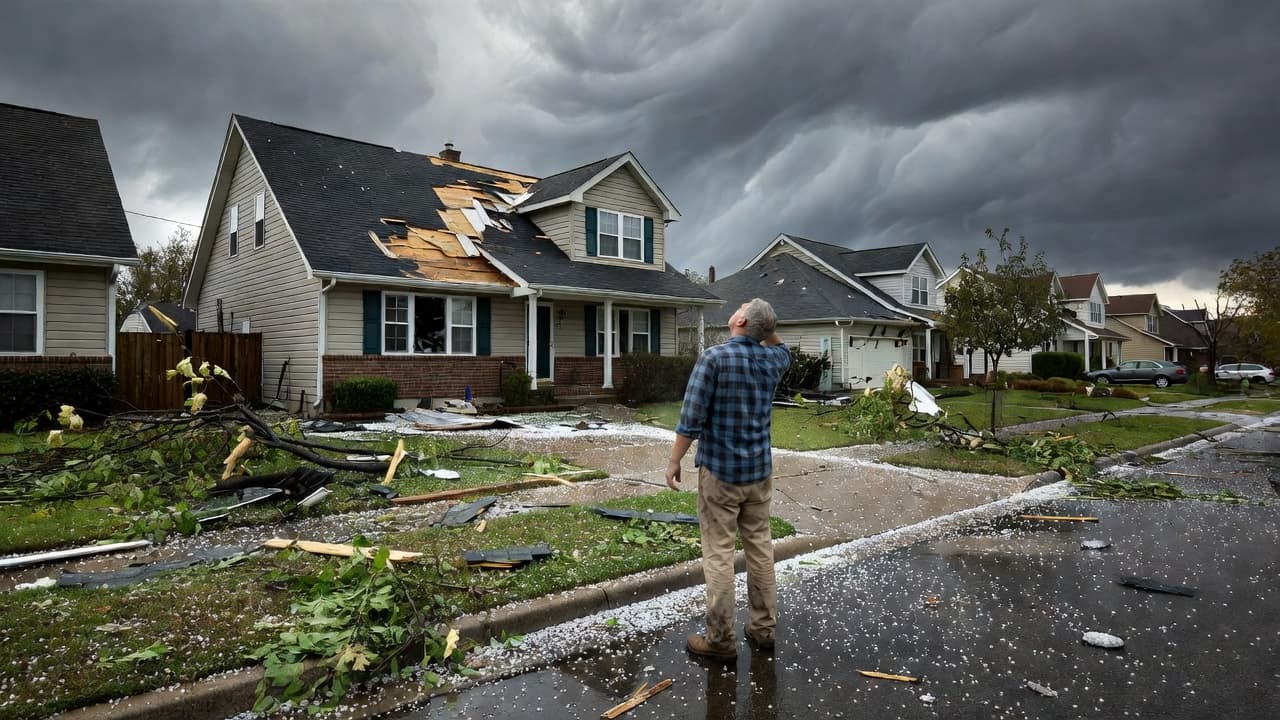
How misinformation and neighbor-based assumptions ruin claims
Social media advice sounds confident, but it skips the hard parts
After a hail event, short videos and local posts spread fast. Many promise "claim tips" or tell owners how to get a "free roof." The tone is confident, but the advice is often broad, sloppy, and detached from any actual policy or inspection standard.
Online chatter usually ignores the details that control claim outcomes. It doesn't know your deductible, prior roof condition, material type, exclusions, or repair history. It also doesn't show whether the storm over your address had the hail size and impact pattern needed to support the claim.
That makes social media a poor guide for expensive property decisions. Confidence is not proof.
A neighbor's approval does not prove your damage
"Neighboritis" is the habit of treating someone else's claim result like your own inspection report. It starts when one home, warehouse, or office building gets approved for replacement. Then the rest of the street assumes the same answer applies to every nearby roof.
It doesn't. A carrier may approve one claim because of roof age, slope exposure, prior documentation, or clear impact marks. Another property nearby may have lighter hits, different materials, or older wear that doesn't meet the same threshold.
A nearby roof replacement is evidence of one claim, not proof of damage on your building.
That point matters for residential streets and commercial parks alike. Shared zip code, same storm date, and similar buildings still do not create identical claims.
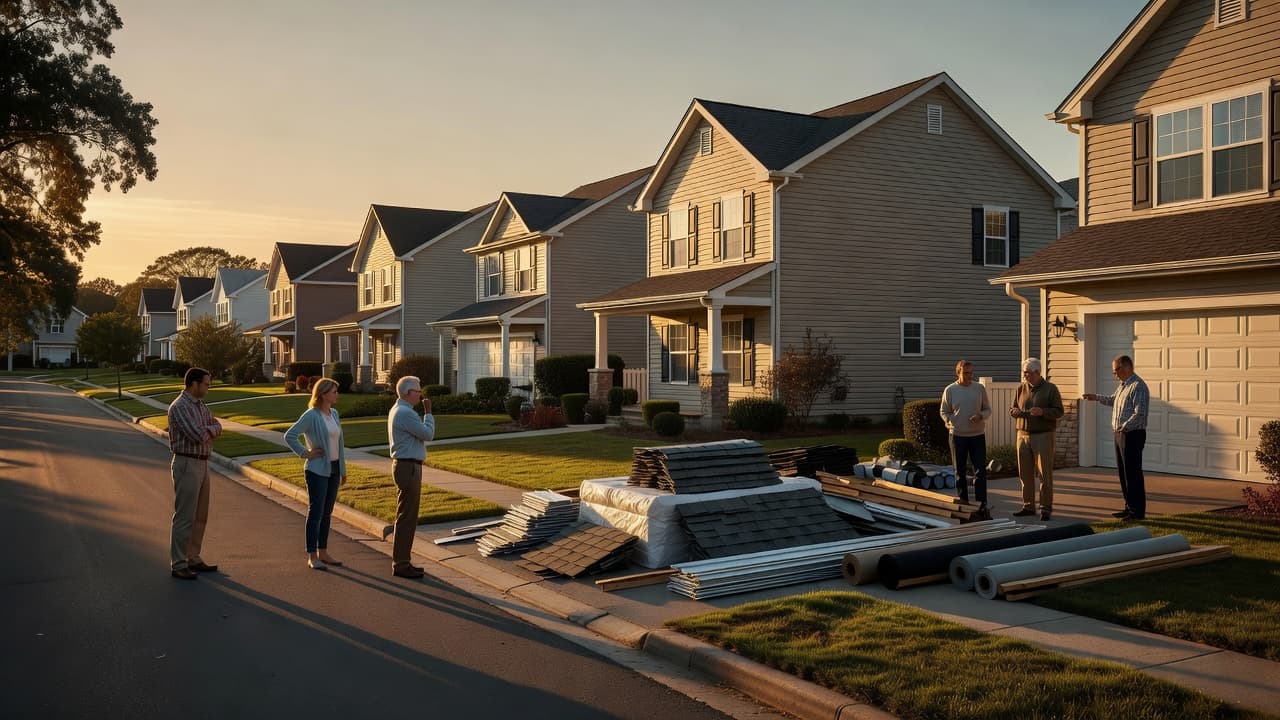
Storm-chasing contractors and rushed adjusters can both get it wrong
Some post-storm contractors do solid work. Others are sales-driven first and inspection-driven second. In the rush after a storm, some overcall damage and treat blistering, wear, or mechanical marks like fresh hail impact. That can push owners toward claims or full replacements that don't hold up.
Adjusters can miss the mark, too. Large storms flood carriers with claims, so field inspections move fast. Independent catastrophe adjusters may be new to the area, short on time, or under pressure to close files. A brief roof walk can miss legitimate damage, especially on larger or more complex buildings.
That clash creates the worst kind of dispute. One side says total loss. The other says no damage. The owner gets stuck in the middle.
What property owners should trust instead of rumors
Look for proof of when, where, and how hard the storm hit
The best starting point is address-specific weather data. General storm talk doesn't help much. You need to know what passed over your property, when it happened, how large the hail was, how strong the wind was, and how likely the impacts were at that exact location.
Good storm verification narrows the argument. It can show whether the damaging event lines up with the date of loss, whether the hail core tracked over your roof, and whether conditions were strong enough to justify a closer inspection.
That doesn't replace a roof inspection. It does frame the inspection with facts instead of rumor.
Independent data can support a claim or challenge a denial
Weather evidence helps most when the people on site disagree. If a contractor insists the roof must be replaced, storm data can test that claim against the actual event. If a carrier says there was no damaging storm, the same data can support a second review.
That matters because claim disputes often turn into opinion battles. Independent storm records give the owner a way to step outside that fight. You don't have to rely on the loudest voice in the driveway.
Clear data also helps before a claim starts. If the event at your property was minor, you may decide a filing isn't worth the deductible or the claim history.
Commercial owners need tighter proof than anyone else
A commercial roof is a large asset, not a casual repair item. One bad call can affect operations, tenant relations, capital planning, and future insurance terms. That is why commercial owners can't rely on a quick glance from the ground or a rumor from the building next door.
A missed membrane puncture or seam failure can let water in long before the damage is obvious. Then the loss spreads beyond the roof. Interior finishes, equipment, inventory, and tenant business can all be affected. Liability can follow if the problem grows after warning signs were ignored.
On the other hand, an unsupported claim can hurt a property's loss record without solving any real problem. Commercial owners need hard proof either way.
How Storm Vector cuts through the post-storm fog
Before you file, confirm the storm facts for your address
Storm Vector gives owners a practical way to check what happened at their property before they make a claim decision. Instead of relying on a neighbor's story or a contractor's first impression, you can review reported hail size, wind conditions, timing, and mapped storm activity tied to your location.
That helps you avoid unnecessary filings. It also helps you decide when a closer roof inspection makes sense because the event data supports the concern.
When a claim is denied, bring objective weather evidence
A denial is not always the end of the story. Sometimes the inspection result and the weather record do not match. When that happens, objective storm verification can support a re-open request, an appeal, or a second inspection.
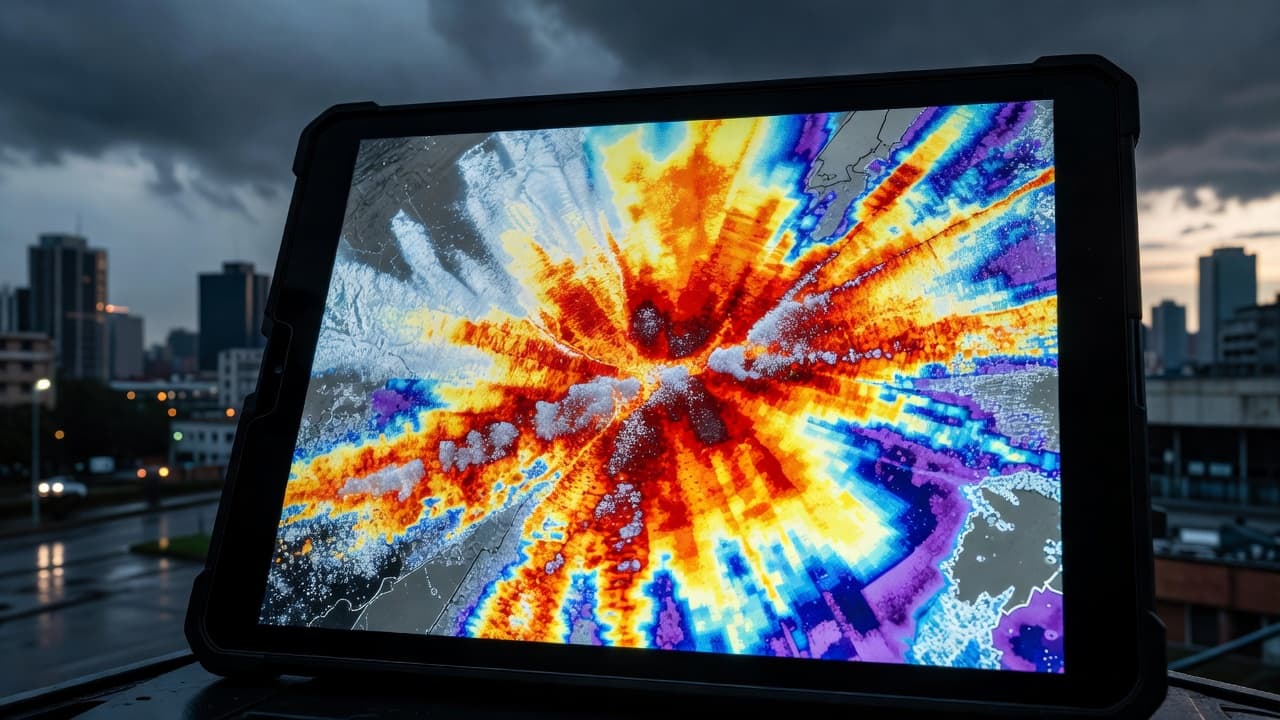
Storm Vector helps owners move the conversation away from memory and opinion. Radar-based storm history and localized verification give you a documented weather record to compare against the claim decision. That won't replace policy language or a roof assessment, but it gives the dispute a factual center.
When a contractor pushes full replacement, ask for proof
Owners should ask the same question every time they hear "total loss": what evidence supports that conclusion? Storm Vector helps answer that question with independent storm data rather than sales pressure.
If the weather record shows weak hail activity at the property, the replacement pitch deserves closer scrutiny. If the data confirms a strong hail event over the address, the owner has better reason to move forward with inspection, repair planning, or claim support. Science is not the whole case, but it is a far better starting point than panic.
Clear facts protect more than your roof
The biggest risk after a hailstorm is not always the impact on the roof. It is the confusion that follows, the rumors, the pressure, and the fast opinions that push owners toward bad decisions.
Independent storm data gives you a steadier path. Before you file, before you accept a denial, and before you sign for a full replacement, get facts tied to your property. That protects your roof, your budget, and your peace of mind.